

DNV Certifies Canadian Solar’s TopCon Modules: A New Benchmark for Quality and Sustainability Global energy assurance provider DNV has completed a meticulous technical review of eight innovative photovoltaic (PV) modules from Canadian Solar, and the results are nothing short of impressive. These modules have set new industry benchmarks for quality, sustainability, and performance, further solidifying Canadian Solar’s leadership in renewable energy solutions. A Comprehensive Review Process DNV’s evaluation was thorough, covering critical aspects such as: Cutting-edge technologies powering the modules. Sustainability practices embedded in manufacturing processes. Field testing for real-world reliability. System compatibility ensuring seamless integration. Levelized Cost of Energy (LCOE) to validate cost efficiency. The review went beyond technical specs, delving into Canadian Solar’s reliability testing, quality control systems, and factory processes. This in-depth approach included audits of two state-of-the-art manufacturing facilities, giving DNV a clear view of the company’s commitment to excellence. Exceeding Industry Standards DNV praised Canadian Solar for going above and beyond in its component- and module-level test protocols, noting that these exceed current industry standards. The audits also highlighted the company’s meticulous attention to: Factory management protocols. Material control processes to ensure premium quality. Employee oversight, fostering accountability at every level. Worker safety, creating a culture of care and responsibility. A Leader in Sustainable Manufacturing Richard Barnes, Region President for Energy Systems North America at DNV, commended Canadian Solar for its achievements. “Sustainably manufacturing high-quality PV modules and building a culture of improvement is an achievement for which Canadian Solar should be commended,” Barnes stated. His remarks underscore the company’s dedication to not just meeting, but exceeding expectations in both environmental stewardship and manufacturing excellence. Setting the Stage for the Future With DNV’s validation, Canadian Solar’s TopCon modules stand out as a trusted choice for renewable energy projects worldwide. This endorsement signals a bright future for sustainable energy, driven by innovation, rigorous standards, and a commitment to quality. As the global energy landscape continues to shift towards renewables, Canadian Solar and DNV are lighting the way—proving that sustainability and performance can go hand in hand. #SolarInnovation #RenewableEnergy #SustainableSolutions #CanadianSolar #DNVReview #CleanEnergyFuture
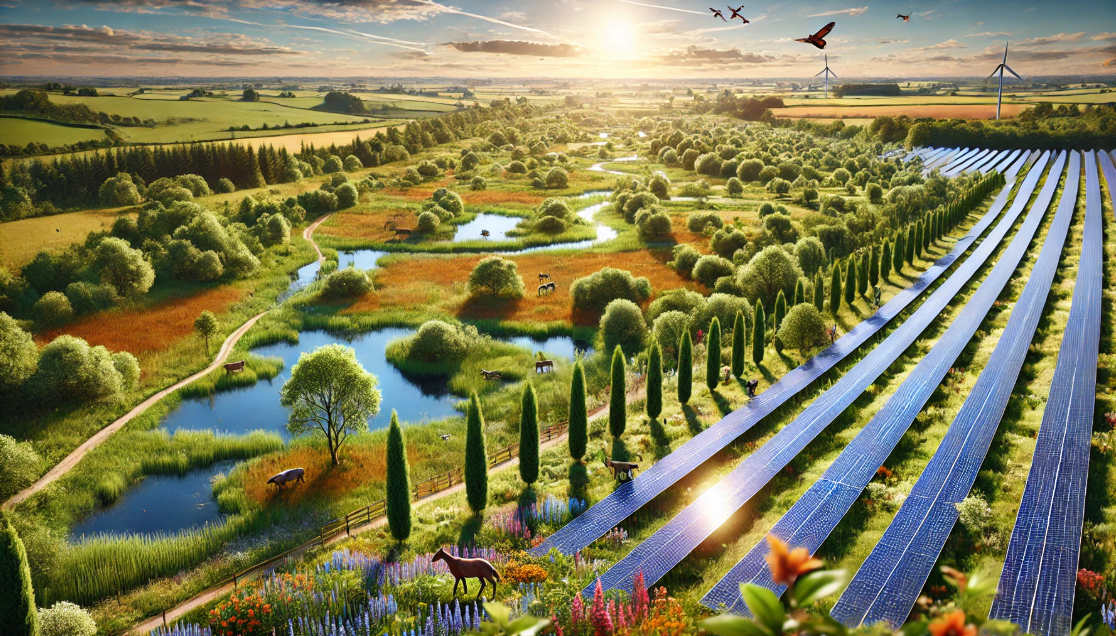
UK Solar Scheme Transforms Into A Thriving ‘Biodiversity Haven
Midlands Solar Farm: A Beacon of Biodiversity and Renewable Energy In the heart of the Midlands, an innovative solar farm project is set to redefine the relationship between renewable energy and ecological preservation. Known initially as the Great North Road Solar Park, the project has been rebranded as the Great North Road Solar and Biodiversity Park to reflect its dual focus on sustainable energy and biodiversity enhancement. Led by Elements Green, this ambitious initiative promises to become a model of environmental stewardship and renewable innovation. A Collaborative Vision for Nature Situated near Newark, Nottinghamshire, the project has gained substantial backing from key environmental organizations, including the RSPB, Sherwood Forest Trust, Nottinghamshire Wildlife Trust, and The Trent Rivers Trust. These partnerships aim to ensure the solar farm’s development benefits not just the energy grid but also the local wildlife and communities. Mark Noone, UK Project Director at Elements Green, highlighted the transformative potential of this project, saying, “This is more than just a solar farm—it’s a step toward cleaner energy, richer biodiversity, and a healthier environment.” An Ecological Commitment The Great North Road Solar and Biodiversity Park is poised to dedicate an impressive 850 acres of land solely to ecological management. This effort will include: Planting 50,000 new trees to combat flooding and improve biodiversity. Developing wetlands and grasslands to provide habitats for diverse wildlife. Establishing 25km of hedgerows, a length surpassing the Brian Clough Way, to support pollinators and other species. Creating 20km of footpaths, offering the public increased access to natural spaces. These efforts are designed to enhance the local environment while fostering a connection between the community and its natural surroundings. Integrating Clean Energy and Habitat Restoration Charlotte Martin-Taylor, Head of Business Conservation Advice at the RSPB, underscored the importance of such initiatives in addressing today’s urgent environmental challenges. She remarked, “This partnership highlights the vital role businesses can play in creating a future where wildlife and clean energy thrive.” The project will not only generate renewable energy but also provide large-scale habitat restoration to support priority species. It is a bold example of how energy infrastructure can coexist with and even benefit the environment. Boosting the Community and Economy In addition to its environmental advantages, the Great North Road Solar and Biodiversity Park is expected to have a significant socio-economic impact. It could create approximately 460 new jobs and contribute hundreds of millions of pounds to the regional economy, fostering growth and sustainability for Nottinghamshire. The Road Ahead Currently in the pre-application phase, the project is projected to begin construction in 2027 and become operational by 2029. If realized, it will serve as a landmark example of how renewable energy projects can actively promote biodiversity and community well-being. As the Great North Road Solar and Biodiversity Park moves closer to becoming a reality, it stands as a shining testament to what can be achieved when innovation, conservation, and sustainability converge. #BiodiversityHaven #SolarPower #GreenEnergy #Nottinghamshire #EcoPartnerships #SustainableFuture #RenewableEnergy #WildlifeConservation
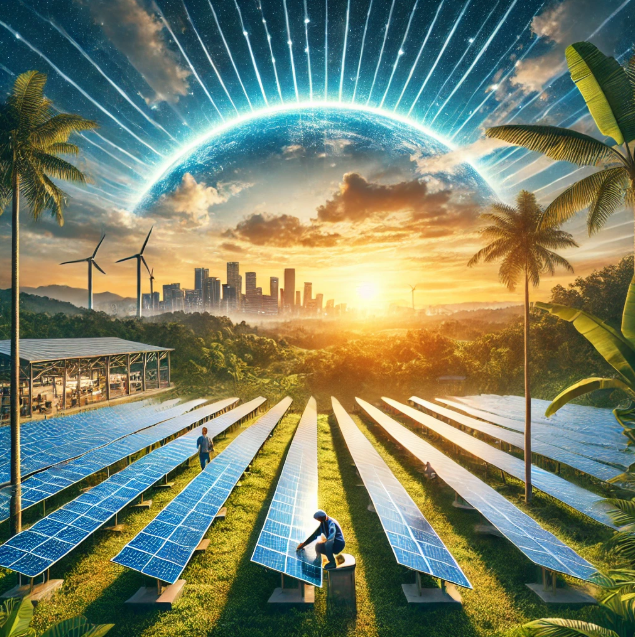
Solarvest Shines Bright With Record-Breaking Profits
Solarvest Holdings Berhad has achieved a remarkable milestone, announcing a record gross profit of RM55.2 million, fueled by declining solar panel costs and strategic growth in green energy solutions. This impressive achievement underscores the company’s leadership in Malaysia’s renewable energy sector and its commitment to driving sustainable growth. For the six-month period ending 30 September, Solarvest reported its highest-ever first-half net profit of RM17 million, marking a 22.7% year-on-year increase from RM13.9 million during the same period last year. The momentum continued into the second quarter, with a net profit of RM9.2 million—a 28.1% jump compared to RM7.2 million in the previous year’s corresponding quarter. These gains were attributed to improved profit margins in the commercial and industrial segments, bolstered by reduced solar panel costs and strong electricity sales. Despite a softer revenue figure of RM103.9 million for the second quarter compared to RM139.9 million last year, the decline was expected due to the completion of large-scale solar (LSS4) projects that were actively ongoing in the previous year. However, Solarvest has already begun new large-scale solar projects under the Corporate Green Power Programme, which are anticipated to significantly boost revenue in upcoming quarters. Solarvest’s strategic diversification of its revenue streams has been a key factor in its sustained growth. By expanding recurring income through innovative green energy solutions, the company has solidified its position in the renewable energy market. Its core engineering, procurement, construction, and commissioning (EPCC) segment remains the primary driver of revenue, reflecting its expertise and leadership in delivering large-scale solar solutions. The company’s ability to adapt to shifting market conditions, coupled with its focus on cost efficiency and innovation, has propelled its financial performance to new heights. Solarvest’s strong results serve as a testament to its strategic vision and its role in powering Malaysia’s transition to a greener future. #Solarvest #RenewableEnergy #GreenEnergy #SolarPower #Sustainability #CleanEnergy #Malaysia #CorporateGreenPower #SolarInnovation #EnergyTransition

US Solar Set To Shine Brighter Than Ever: 2024 Poised For A Record-Breaking Year
The American Clean Power Association (ACP) has unveiled its inaugural Solar Market Monitor, projecting a groundbreaking 2024 for the US solar industry with over 32GW of installations anticipated. This milestone not only highlights the rapid expansion of solar energy in the United States but also underscores ACP’s commitment to delivering industry-specific insights into one of the fastest-growing renewable energy sectors. The Solar Market Monitor, produced in collaboration with S&P Global Commodity Insights, offers a comprehensive analysis of the utility-scale solar industry, shedding light on current trends and future opportunities. This biannual report delves into critical areas such as capacity growth, project economics, technological advancements, policy impacts, and power market dynamics—creating a roadmap for understanding and navigating the evolving solar landscape. According to the report, the US solar market is poised for sustained growth, with a Compound Annual Growth Rate (CAGR) of 6.6% projected from 2025 to 2030. By the end of the decade, annual installations are expected to climb to an impressive 37GW. A key driver of this growth is the continued decline in solar capital costs, forecast to drop by 14% by 2035, largely due to decreasing module prices. Overall, US solar installations are set to increase by 16% by 2030, cementing the sector’s role in the nation’s clean energy transition. John Hensley, ACP’s Senior Vice President of Policy and Market Analysis, emphasized the significance of this report, stating: “The launch of the Solar Market Monitor represents the leading role ACP plays in providing unique insights and analysis for an ever-evolving solar industry, its growth, and policy and market challenges in the road ahead. This inaugural report highlights how solar has solidified itself as a clean and cost-competitive energy resource for the US. Moving forward, this resource will help the industry navigate the dynamic US solar marketplace.” The collaboration between ACP and S&P Global Commodity Insights adds a new layer of depth to the analysis, leveraging cutting-edge data, such as S&P’s daily solar module price assessments. Eduard Sala, S&P’s Clean Energy Technology Lead, expressed enthusiasm for the partnership: “We are excited to announce S&P Global Commodity Insights’ collaboration with ACP as a clean energy technology knowledge partner. This relationship brings together S&P’s research and consulting teams to provide valuable integrated data and insights on the supply chain, technology, and demand. We are pleased to work with ACP to provide a new way of measuring the development of this growing sector.” This report sets the stage for an exciting year in US solar, spotlighting its transformative potential as both a clean and cost-effective energy source. With decreasing costs, policy advancements, and continued innovation, the US solar industry is well-positioned to achieve unprecedented growth and play a critical role in the global shift toward renewable energy. #SolarEnergy #CleanPower #RenewableEnergy #ACPSolarMonitor #SolarGrowth #USRenewables #EnergyTransition #SustainableFuture #SolarInnovation #GreenEnergy
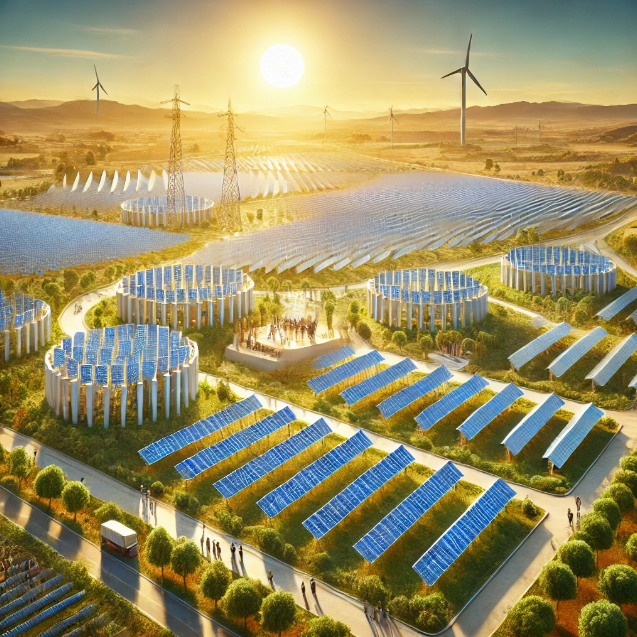
Sonnedix Unveils 150MW Solar Powerhouse In Spain: A New Era Of Renewable Energy
Sonnedix has officially inaugurated its 150MW Betierra solar project in Castilla-La Mancha, Cuenca, Spain, a monumental step that propels the company beyond the remarkable milestone of 1GW in owned and operated renewable energy capacity in the country. This achievement solidifies Sonnedix’s position as a leading solar PV player in Spain and underscores its commitment to sustainability and long-term energy solutions. The Betierra project is a standout in Sonnedix’s portfolio, consisting of three 50MW solar plants connected via shared interconnection infrastructure—an innovative first for a project of this magnitude within the company’s Spanish operations. The renewable energy generated at Betierra is set to power Equinix’s operations under a 10-year Power Purchase Agreement (PPA) signed in May 2023. This collaboration not only meets Equinix’s energy needs but also contributes significantly to the decarbonization of the Spanish grid. Betierra is part of a larger 300MW portfolio acquired from RIC Energy in 2021 during its development stage. While Betierra has now reached commercial operation, the remaining 150MW of the portfolio is in late-stage development, reflecting Sonnedix’s strategic focus on expanding its renewable energy footprint. Axel Thiemann, Sonnedix’s CEO, expressed his pride in reaching this major milestone: “With the inauguration of Betierra, we’re proud to be celebrating the landmark achievement of 1GW capacity in Spain. This comes a month after we celebrated Sonnedix’s 15th anniversary, a journey that started in Spain. From a 1MW solar plant, we have transformed into a leading solar PV player in the country. This portfolio is also our tenth project to reach commercial operation this year alone, reflecting our continued expansion on a global scale.” Equinix, the recipient of Betierra’s clean energy, shared similar enthusiasm. Eulalia Flo, Managing Director at Equinix in Spain, highlighted the significance of the partnership: “The inauguration of this new solar park marks a milestone in our sustainability strategy. Through this 150MW PPA, resulting from the agreement between Equinix and Sonnedix, we secure a renewable energy source that exceeds the consumption of our data centers in Spain, which are already covered by 100% renewable energy, and at the same time contribute to the decarbonization of the Spanish grid. For Equinix, this is another positive step in our commitment to achieve climate neutrality by 2030.” The Betierra project exemplifies Sonnedix’s long-term vision as an owner, developer, and operator of renewable energy assets. With ten projects reaching commercial operation this year alone, Sonnedix is setting a global standard for solar innovation, proving that renewable energy is not just an ambition—it’s an achievable reality. #RenewableEnergy #SolarPower #Sonnedix #Sustainability #CleanEnergy #GreenFuture #Decarbonization #EnergyInnovation #ClimateAction #SolarLeadership
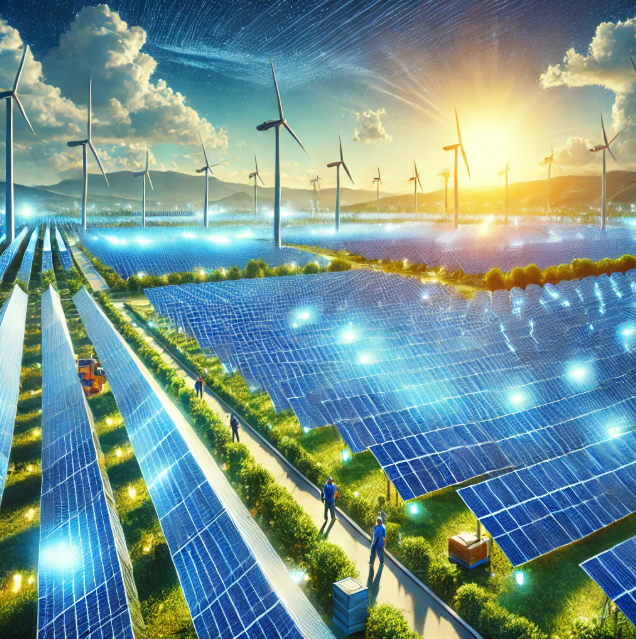
Low Carbon Powers Up: Launches 53MW Solar Project In The Netherlands
Low Carbon has officially launched commercial operations for its 53MW solar portfolio in the Netherlands, marking another milestone in its mission to drive large-scale renewable energy adoption. This impressive capacity comprises four solar assets strategically located across the provinces of Groningen and Utrecht, including Ter Apel (26.7MW), Overijssel (7.4MW), and two sites at Wijk bij Duurstede (10.3MW and 8.7MW). All four sites have successfully secured Provisional Acceptance Certificates, signifying their readiness for full operation. These projects are powered by nearly 90,000 state-of-the-art solar modules, demonstrating Low Carbon’s commitment to deploying cutting-edge technology to accelerate the transition to sustainable energy. The development of these solar parks was made possible through a strong partnership with BELECTRIC, a German leader in engineering, procurement, and construction (EPC) services for solar projects. Together, Low Carbon and BELECTRIC have now commissioned over 120MW of renewable capacity, reinforcing their collaborative strength in delivering impactful projects. This achievement follows Low Carbon’s recent announcement of a groundbreaking 6GW battery storage platform in the Netherlands, which is poised to become one of the largest international battery portfolios. These efforts highlight the company’s ambition to be a transformative force in the global fight against climate change. Steven Hughes, Managing Director of Portfolio Management at Low Carbon, emphasized the significance of this milestone: “We are delighted to see our first solar projects in the Netherlands enter commercial operations, which is a landmark moment in Low Carbon’s journey as an independent power producer and reinforces our capability to deliver renewable energy projects at scale in different markets. Our partnership with BELECTRIC has been core to successfully delivering these projects as we look to create as much large-scale renewable energy as possible. We look forward to bringing more new capacity online in the coming months as we ramp up our efforts in the fight against climate change.” Low Carbon’s continued expansion underscores its leadership in the Dutch renewable energy market and its steadfast dedication to delivering impactful solutions to combat the climate crisis. #RenewableEnergy #SolarPower #Netherlands #LowCarbon #Sustainability #ClimateAction #CleanEnergy #EnergyTransition #SolarInnovation #GreenFuture

Leading US Solar Company Shutters Storage Division: What It Means For The Industry
SolarEdge Technologies has announced a strategic decision to cease operations in its energy storage division, signaling a focused shift toward its core solar activities. This pivotal move aligns with the company’s goal of refining its business priorities while navigating the competitive landscape of renewable energy. As part of this transition, SolarEdge will downsize its workforce, impacting around 500 employees, primarily based in South Korea. The company projects significant cost savings from this decision, estimating a reduction in quarterly operating expenses of approximately $7.5 million. These savings are expected to reach their full potential by the latter half of 2025. In addition, SolarEdge plans to sell off the assets tied to the storage division, including manufacturing facilities for battery cells and packs, underscoring its intent to streamline operations. Notably, this move will not affect the sale of solar-connected batteries designed for residential and commercial and industrial (C&I) markets. Interim CEO Ronen Faier highlighted the strategic rationale behind this decision, emphasizing a meticulous evaluation of the company’s business portfolio, market dynamics, and the broader competitive environment. Faier expressed gratitude to the employees of the energy storage division for their contributions, acknowledging their efforts in building the division. The closure reflects SolarEdge’s commitment to two primary objectives: achieving financial stability through cost reduction and focusing on core business areas such as solar technology, PV-attached storage, and energy management solutions. This streamlined approach aims to return the company to cash flow positivity and enhance overall profitability, ensuring its resilience in the evolving renewable energy sector. By focusing its resources on its solar and PV-attached storage segments, SolarEdge is positioning itself as a more agile and competitive player in the global energy transition. The company’s decision underscores a broader trend in the renewable energy industry, where firms are strategically narrowing their focus to optimize financial performance and maintain market leadership. As the solar sector continues to grow, SolarEdge’s renewed focus on its strengths reflects its commitment to driving innovation and meeting the needs of its customers while adapting to shifting industry demands. #SolarEdge #RenewableEnergy #EnergyStorage #SolarPower #GreenEnergy #Sustainability #EnergyTransition #BusinessStrategy #SolarInnovation
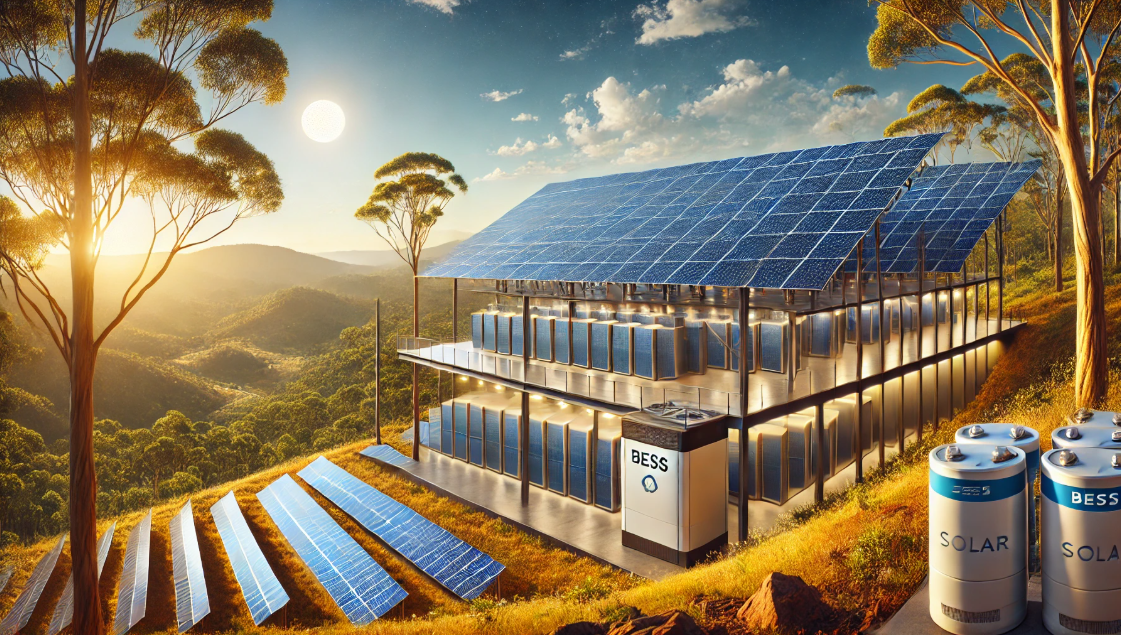
Green Energy Milestone: GSEO Launches Third Solar Power Project In Australia
VH Global Sustainable Energy Expands Renewable Portfolio with Third Solar-Storage Site in Australia VH Global Sustainable Energy Opportunities (GSEO) has successfully completed its third solar and storage hybrid system in New South Wales, Australia. This milestone follows the earlier commissioning of two similar hybrid systems in the state, marking a significant step forward in the company’s Australian energy transition program. The latest site features a solar PV system integrated with a DC-coupled two-hour 4.95MW battery energy storage system (BESS). By coupling solar energy generation with advanced storage solutions, the project enhances grid stability while addressing Australia’s growing energy demands with a reliable and efficient renewable energy supply. With this addition, GSEO’s operational portfolio now accounts for 69% of its total assets, a notable increase from 61% recorded in mid-2024. The Australian program now includes five fully operational assets, with two more currently under construction. By 2025, the program is expected to achieve a total capacity of 37MW/60MWh, distributed across seven renewable energy sites in New South Wales, Queensland, and South Australia. This expansion highlights GSEO’s commitment to supporting Australia’s renewable energy goals through innovative solar and storage solutions. GSEO is also delivering strong financial returns alongside its sustainability efforts. The company is targeting a total unlevered NAV return of 10% (net of fees) and continues to offer a progressive annual dividend, currently targeting 5.68p per share for the year ending December 31, 2024, paid quarterly and covered 1.1 times as of June 30, 2024. This achievement underscores GSEO’s dedication to advancing clean energy infrastructure while delivering reliable returns for its stakeholders, paving the way for a more sustainable future. #RenewableEnergy #Sustainability #SolarStorage #EnergyTransition #CleanEnergy #AustraliaRenewables #VHGlobalEnergy #SolarPower #BatteryStorage
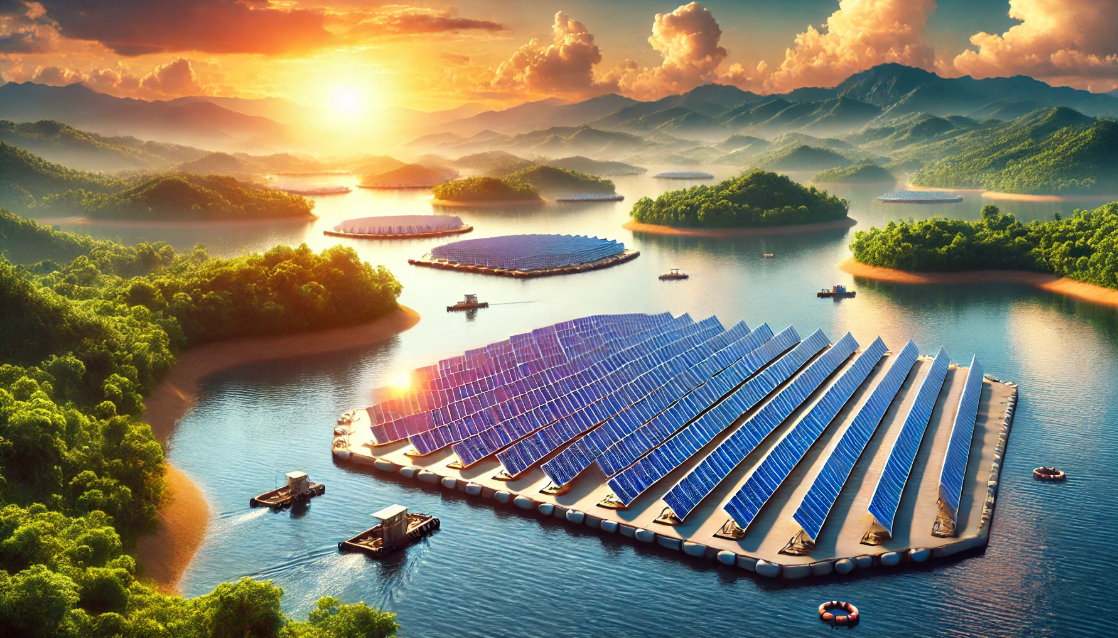
Floating Solar Power Set To Soar To 77GWdc By 2033
Floating Solar: A Rising Star in Renewable Energy Floating solar photovoltaic (FPV) technology is set to grow rapidly, with global installations expected to reach an impressive 77GWdc within the next decade, according to Wood Mackenzie’s latest report. This exciting technology offers innovative solutions to challenges like land scarcity and rising energy demand, making it a key player in the renewable energy sector. The Asia-Pacific (APAC) region leads the charge, accounting for a remarkable 81% of global floating solar projects. Projections indicate that APAC will continue to dominate, with nine of the top ten FPV markets and an estimated capacity of 57GWdc by 2033. Countries like India, China, and Indonesia are at the forefront of this revolution, together boasting 31GWdc of installed FPV capacity. In 2024 alone, APAC is expected to contribute 90% of the 1.7GWdc of new FPV capacity coming online. This highlights the region’s pivotal role in addressing energy needs while reducing environmental impacts. Europe is also making strides, with Germany, France, and the Netherlands predicted to account for over 60% of the continent’s FPV capacity by 2033. Germany leads the European market, with a projected 2.2GWdc capacity, followed by France at 1.2GWdc and the Netherlands at 1GWdc. However, Europe faces growth barriers like strict coverage and distance limits, which could hinder its progress compared to APAC’s momentum. In the United States, FPV adoption is still in its early stages, with just 0.7GWdc projected by 2033. Challenges like limited land availability and higher costs compared to traditional ground-mounted systems have slowed development. However, growing interest from renewable energy companies such as BayWa r.e., Ciel & Terre, and Sungrow is creating momentum. Cost is a critical factor for FPV growth. While FPV systems cost $0.13 to $0.15 more per watt than ground-mounted systems, the falling prices of high-efficiency solar modules like PERC and TOPCon are helping reduce overall costs. Supportive policies and the rising demand for clean energy are fueling optimism about the sector’s future. Hybrid FPV-hydro projects, which use reservoirs to combine energy generation and storage, are also gaining traction. These projects are expected to peak between 2026 and 2028, although longer development timelines pose a challenge. Despite its potential, FPV faces hurdles such as complex approval processes and inconsistent technical standards. These issues have delayed some installations from 2024 to 2026 or later. Addressing these challenges through streamlined policies and harmonized standards will be crucial to unlocking FPV’s full potential. Floating solar represents a unique blend of innovation and sustainability. It addresses pressing issues like land constraints while contributing significantly to renewable energy goals. With strong growth projected in APAC, Europe, and beyond, floating solar is emerging as a transformative solution for a greener future. As costs drop and technologies improve, the future of floating solar looks brighter than ever. #FloatingSolar #RenewableEnergy #SolarInnovation #CleanEnergy #Sustainability #GreenFuture #HybridEnergy #SolarPV #GlobalEnergyTrends
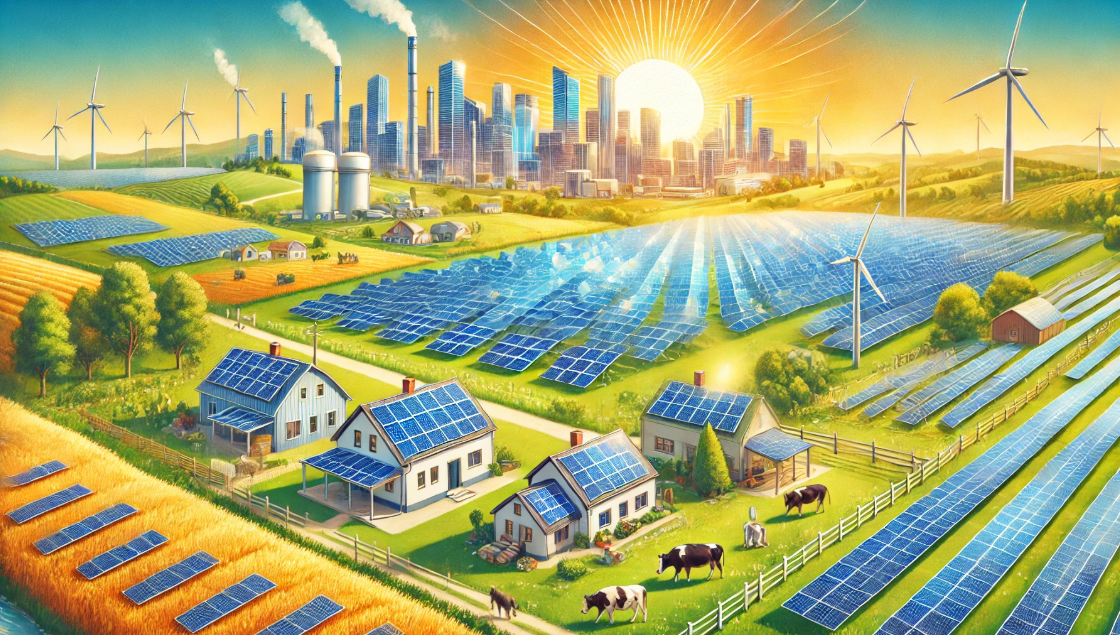
Slashing Energy Bills: Why Raising The UK’s Solar Target Is The Key To Affordable Power
Unlocking a Brighter Future: Solar Energy UK Calls for Ambitious 60GW Target by 2030 Solar Energy UK is urging the government to triple the country’s solar generation capacity to 60GW by 2030, presenting it as a game-changing opportunity to lower electricity costs, cut emissions, and secure energy independence. Backed by research from Durham University Energy Institute, the call highlights the transformative potential of scaling up solar energy in the UK. The analysis shows that hitting this ambitious target would: Lower Energy Costs: Reducing electricity costs by 12% compared to current projections. Strengthen Energy Security: Decreasing reliance on expensive natural gas imports. Accelerate Clean Energy Goals: Helping deliver clean power by 2030 while reducing dependence on unproven carbon capture technologies. The Case for 60GW: Solar Energy UK emphasizes that a 60GW target isn’t just ambitious but essential to de-risk the UK’s Clean Power Plan. Achieving this would diversify energy sources, maximize wind generation efficiency, and build a sustainable energy future. In contrast, the National Energy System Operator (NESO) proposed a modest 47.4GW capacity by 2030, relying on outdated assumptions. Solar Energy UK countered this, estimating the true capacity by the end of 2024 will already approach 20GW, thanks to growing solar farms, rooftop installations, and local initiatives like London’s Warm Homes Fund and Future Homes Standard. Chris Hewitt, Chief Executive of Solar Energy UK, stated: “Solar and batteries can be deployed rapidly, offering the government an unprecedented opportunity to accelerate clean power delivery. Setting a goal to treble solar capacity to 60GW will provide the lowest-cost, home-grown energy while creating thousands of secure jobs. However, we must reform the grid connection process to ensure ready-to-build renewable projects are not delayed for years.” Current Solar Progress: Operational Capacity: 11.5GW of solar farms, 8.5GW on rooftops (residential, commercial, industrial). Pipeline Projects: 3GW under construction, 11GW with planning consent. 2024 Projection: 20GW total capacity. With rooftop capacity surging and 3GW of solar farms being built, this bold vision is within reach. Solar Energy UK is rallying support from over 400 members, industry data, and the public to make the case for this transformative target. The Impact: By aiming higher, the UK can lead the charge in renewable energy, creating a more resilient energy system, slashing costs, and providing thousands of new jobs—all while safeguarding the environment. #SolarRevolution #RenewableEnergy #NetZero #Sustainability #CleanEnergy #EnergyIndependence #SolarPower #GreenJobs #FutureIsSolar