
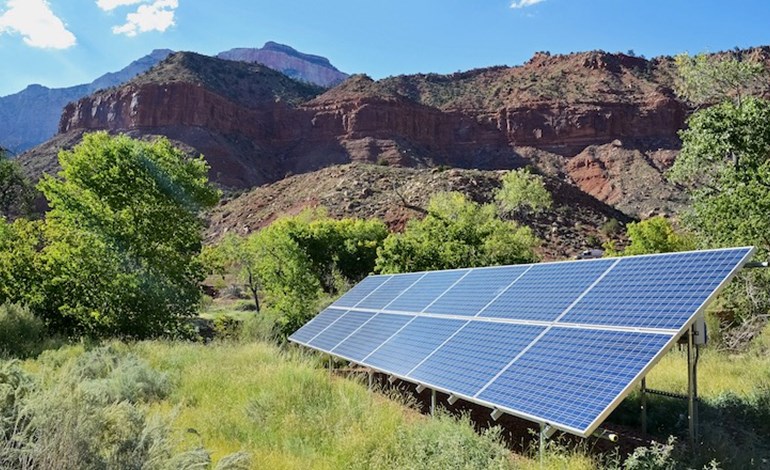
Israeli renewables player Ashtrom is establishing operations in Greece by signing agreements to develop a 476MW solar project pipeline in the country with a local partner. The pipeline comprises five projects valued at €335-380m. This is based on the assumption that the cost of construction per MW, including the cost of connecting the projects to the grid, is estimated at €700,000-800,000. Ashtrom Renewable Energy has also been granted a future right to take over several additional projects owned by the Greek partner at advanced stages of development. These are expected to obtain the “substantial permits” required for construction within the upcoming year. In addition, the agreement contains a mechanism by which consideration to the development partner will be determined according to milestones set forth in the agreement and development progress, where most of the consideration will be paid at advanced development stages and after approval for connecting to the electrical grid. Yitsik Marmelshtein, CEO, Ashtrom Renewable Energy, said: “Ashtrom’s entry to the energy market in Greece corresponds with its strategy for expanding its renewable energy operations to additional countries, following our entry to the US and Poland. “We estimate that the Greek market – characterised by accelerated growth, high electricity prices and good solar radiation conditions compared to other European countries – can serve as a significant growth opportunity for Ashtrom Renewable Energy in the near future. “We intend to take further measures and develops additional renewable energy projects, thus establishing our operations in the US, Israel, Poland and Greece, where we conduct substantial projects of 1.5GW total capacity.” Credits: renews.biz [Image: Unsplash/Jeremy Bezange]
Lightsource BP To Start Building Tiln Solar Farm
Lightsource bp will kick-start the construction contracts for its largest ever UK solar project. Construction of the 61MWp project will begin at Tiln Farm, Retford in November and is scheduled to take approximately 11 months. Once complete, 50GWh of renewable energy generated by the project will be sold to Forterra, a UK building products manufacturer, annually for 15 years via a corporate power purchase agreement. The PPA will provide the company with valuable price certainty and predictability at a time when this is in short supply. Lightsource bp will be investing over £40m into the project. Tiln is the latest project to go into construction as part of Lightsource bp’s UK project development pipeline, which is almost exclusively made up of sites this size and larger. The UK is a key market in achieving Lightsource bp’s global ambitions to develop 25GW by 2025. Lightsource bp CEO of EMEA and APAC Kareen Boutonnat said: “Deploying solar in the UK is a key aspect of combatting the energy crisis – the fact that we can deliver a +60MWp project like Tiln in under a year is critical. “The addition of battery storage is another vital development, helping to dispatch solar to the grid during periods of peak demand. This project is a demonstration of how Lightsource bp is moving at speed to develop sustainable renewable projects, we’re supporting the UK’s low-carbon transition and climate targets.” Louise Kingham, bp’s head of UK, added: “These are exactly the type of projects we want to see developed – producing clean energy, creating new jobs and supporting local communities. Today’s announcement is an important milestone and critically one step closer to getting another UK solar farm up and running.” Credits: renews.biz[Image: Pixabay]
Renewable Connections Receives Third Solar Approval
Renewable Connections has welcomed its third project consent in seven days, securing nearly 90MW of solar and battery storage pipeline in Scotland and England. Once operational, the three projects could displace the equivalent of 1.5 million tonnes of CO2 from fossil fuel sources throughout their lifetime. The three projects include the 23MW Selms Muir solar and battery storage development in West Lothian, the 21MW Kincraig Solar and battery storage development in Aberdeenshire, and the 46MW Snakes Meadow Solar Farm in Bedfordshire. All three recently consented projects have been developed by Renewable Connections in partnership with European Energy (EE) and once operational will have a lifespan of up to forty years. This year to date, Renewable Connections has secured seven consecutive project consents, with three projects consented in Scotland, and four in England. John Leith, development director at Renewable Connections, said: “Our three recently consented projects will not only bring the obvious, long-term renewable energy benefits, but also significant inward investment with over £179,000 of community benefit funds associated with them. He added: “We have been very fortunate to have eight projects consecutively approved, seven of which have been approved this year. We take a responsible, community led approach in the development of our projects. Whilst our key focus is on unlocking hundreds of megawatts of solar and storage and increasing energy independence in the UK, we are also committed to developing high quality projects which see benefits delivered to local residents and the natural environment.” Credits: renews.biz[Image: Renewable Connections]

EDPR Acquires Majority Stake In German Solar Firm
EDP Renewables (EDPR) has completed the acquisition of a 70% stake in Kronos Solar Projects, a developer based in Germany. Kronos has a “lean development team with a long-term expertise” on solar development and a portfolio of 7.5GW of solar projects in different stages of development, more than half of which is in Germany, and the rest in France, the Netherlands and the UK. The acquisition allows EDPR to enter into Germany and the Netherlands which benefit from ambitious renewables targets, given the increased importance of security of supply and energy independence. With this transaction, EDPR expands its presence to 12 markets in Europe, which overall represent more than 90% of the expected solar capacity additions in EU until 2030. Moreover, the entrance in these new markets creates opportunities to expand not only in solar but also in other technologies, namely wind through hybridisation, new wind pipeline, hydrogen and storage technologies, stated EDPR. The deal was closed for an acquisition price of €250m paid at closing and a success fee to be paid to the sellers over 2023-28, dependent on the solar capacity delivered by Kronos development team in this period. The transaction includes also call/put options on the remaining 30% minority stake in Kronos, which is held by its founders that will continue to be involved in the daily management of the business, exercisable from 2028 onwards, with strike price associated to the status of renewables projects under development by Kronos on that year. Credits: renews.biz[Image: EDPR]
High Power Prices ‘Impacting EU Clean Energy Supply Chains’
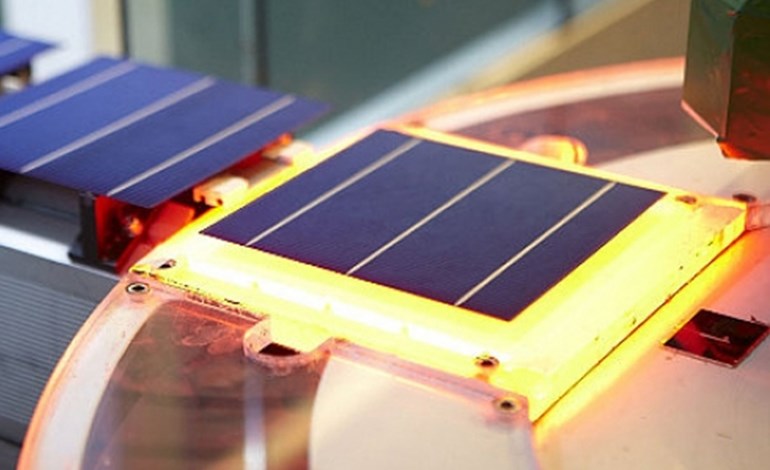
Research from Rystad Energy reveals that 35GW of solar manufacturing and more than 2000 gigawatt hours of battery cell manufacturing capacity in the EU could be mothballed unless power prices return to normal. The energy intensive nature of these manufacturing processes is leading some operators to temporarily close or abandon production facilities as the cost of doing business escalates. Rystad stated that unless prices turn around soon, Europe’s plans to cut dependence on imported fossil fuels by boosting installed renewable generation capacity and electric vehicle (EV) usage could be derailed. Although Europe’s solar manufacturing capacity is relatively modest on a global scale – making up only 2% of total capacity – any shutdowns or abandonment of projects would have significant long-term negative consequences. The EU has targeted 20GW of production capacity by 2025, and although 35GW of projects is currently planned, many have not secured funding, increasing the risk that these projects will fall through if high power prices continue. Battery cell manufacturing – crucial in the EV and battery storage supply chain – is even more energy intensive than solar manufacturing, and Europe is a major global player. The EU currently boasts about 550GWh of capacity, representing 27% of global operational capacity. Announced projects under development are set to boost that total significantly, increasing capacity to 2.7 terawatt-hours, positioning the EU as a global leader. However, those are now at risk and the car manufacturing and battery storage sectors could struggle to source Europe-made batteries as a result, stated Rystad. “High power prices not only pose a significant threat to European decarbonisation efforts but could also result in increased reliance on overseas manufacturing, something governments are eager to avoid. “Building a reliable domestic low-carbon supply chain is essential if the continent is going to stick to its goals, including the REPowerEU plan, but as things stand, that is in serious jeopardy.” Audun Martinsen, Rystad Energy’s head of energy service research, said: “European electricity prices have risen to unprecedented levels in recent weeks due to unplanned nuclear and hydropower plant outages, soaring demand for cooling during an oppressive summer heatwave and reduced gas deliveries from Russia. “Although prices have retreated significantly since these record highs in August, rates remain in the €300 to €400 range, many multiples above pre-energy crisis norms.” Britishvolt’s signature giga-sized battery factory in Blyth in the UK – which would add 30 GWh to the continent’s manufacturing capabilities – has already been delayed to mid-2025 due to rising energy costs and the need for additional fundraising, Rystad stated. Credits: renews.biz [Image: Trina Solar]

Belectric Bags 88MW Israeli Solar Upgrade Job
Belectric has been chosen to repower a solar plant in Israel for its customer Enlight to increase the Halutziot solar farm’s capacity to 88MW from 55MW. Replacement works have started, and the construction works are expected to be finished by the second quarter of 2023. Belectric will also take on operation and maintenance (O&M) services for the repowered project. Halutziot solar farm is situated in the Negev desert in Israel and was originally commissioned in 2015. At the time of commissioning, it became Israel’s largest PV plant. Belectric’s work involves replacing the 180,000 existing modules with 161,000 new high capacity modules. The retrofit works also include replacing the inverters and transformers on site. In addition, an energy storage system will be installed, making Halutziot one of Israel’s first hybrid projects combining solar energy and battery storage. It is also the first time that Belectric has signed an EPC contract with Enlight, an Israel-based investment company and important player in the Israeli and global PV market. Yaron Lado, Business Development Manager at BELECTRIC Israel, said: “We thank Enlight for choosing us to lead this project, including the repowering works, main equipment upgrade and storage system integration all while assuring minimum downtime for the project, connected to the high voltage grid. “We are thankful for this vote of confidence, and are looking forward to expanding our collaboration in future projects.” Credits: renews.biz/ [Image: Belectric]
RWE Swoops For $6.8bn Con Edison Renewables Unit
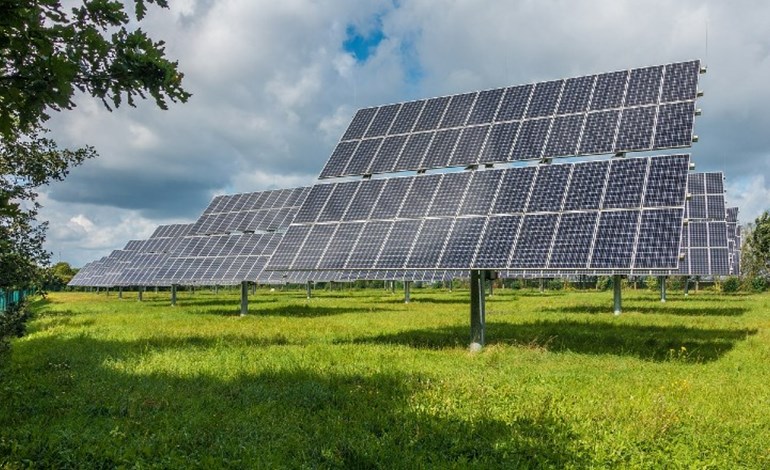
RWE has agreed to acquire Con Edison Clean Energy Businesses in a transaction that almost doubles the company’s renewables portfolio in the US. Through the purchase, RWE will add the Con Edison subsidiary’s with about 3GW of operating capacity, of which 90% are solar projects, and a development pipeline of more than 7GW. Once completed, this will make RWE the fourth biggest renewable energy company and the second largest solar operator in the US. Combining RWE’s and Con Edison CEB’s highly complementary portfolios almost doubles RWE’s operating asset base in the US to 7.2GW. The purchase price is based on an enterprise value of $6.8bn, with earnings accretive acquisition increasing EBITDA by around $600 million from year one onward. At the same time, RWE’s US presence becomes more widely spread across the vast majority of US states. The unique combination of both businesses also leads to a balanced portfolio across onshore wind, solar and batteries. A combined project pipeline of more than 24GW in onshore wind, solar and batteries provides one of the largest development platforms for renewable energy in the US. Growth from the acquisition will come on top of RWE’s existing growth plans for the US. RWE had already earmarked up to 15 billion euros gross for investment in the US as part of its Growing Green strategy, which envisages global investments of 50 billion euros gross by 2030. Con Edison CEB has a strong team of about 500 experts with a long and outstanding track record in developing, constructing and operating renewable energy projects. About 1,400 employees from both companies will form a high-performing team, fully committed to the green energy transition and stepping up RWE’s growth plans in the US in the years to come. Closing of the transaction is subject to customary regulatory approvals and is expected to take place in the first half of 2023. RWE CEO Markus Krebber said: “Our equity capital measure is the basis for financing the acquisition of Con Edison CEB and of the additional green growth in the years to come. I am delighted that QIA is supporting RWE’s accelerated growth ambitions with their capital commitment. This underlines our strategy to be one of leading drivers of the global energy transition.“ Credits: renews.biz/ [Image: Pixabay]
ReneSola Acquires UK Solar Plant
ReneSola has acquired a 50MWp operational solar farm located in Branston, UK from P&T Global Renewable Energy. Project Branston’s solar farm has been operational since October 12, 2020 and is currently generating 1011MWh per year. The transaction was completed on the 30th of September, 2022. ReneSola Power CEO Yumin Liu said: “We are extremely excited to commence our asset-light, IPP business in Europe with the acquisition of Project Branston. “This fully operational solar farm will be profitable on day one and provides stable cash flows and helps diversify risks from project sales. We anticipate the acquisition to further strengthen our market position in the Europe and will be accretive to our shareholders. “This will be a new chapter of our company to enter into IPP business in Europe and contribute to energy alleviation of Europe energy crisis.” Credits: renews.biz/ [Image: Pixabay]
Starlight Eyes 1.75GW PV Potential In Canada And Romania
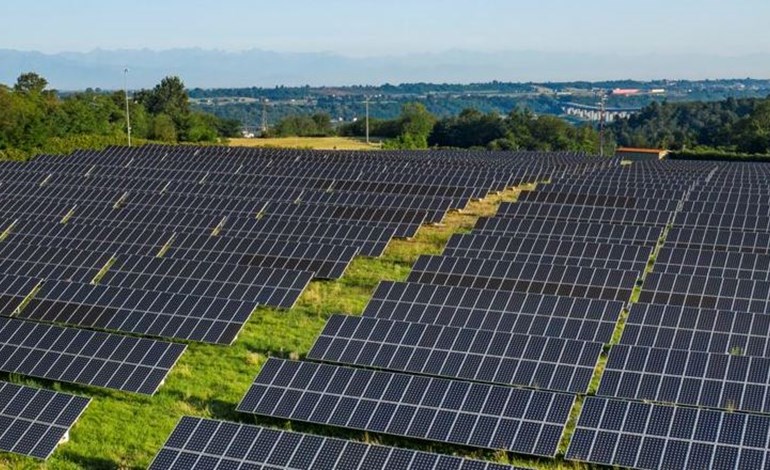
NextEnergy subsidiary Starlight has increased its global pipeline of renewable energy projects, following entry into Canada and Romania. Across both jurisdictions Starlight is targeting development of 1.75GW of solar capacity and is aiming to develop 1GW in Canada and 750MW in Romania over the next five years. Across both markets it has secured land rights and preliminary connection terms for 435MW of solar assets with 450MW under assessment and further negotiations on grid connections and land rights underway. Starlight has also expanded into new renewable technologies for the NextEnergy Group, including battery energy storage systems (both co-located with solar and standalone), in countries where it already has a presence. The pipeline for these technologies already includes 120MW of onshore wind, out of a target of 400MW, and 1.6GW of offshore wind in Italy across two projects, as well as 3.4GW of battery energy storage systems, in the UK and in Italy, all under development. The Starlight solar pipeline has now reached 3.1GW. In total Starlight has reached an identified gross pipeline of 8.3GW under development, spread across four technologies, greater than its initial pipeline target of 5GW, and is now targeting a renewable energy development pipeline of 10GW. The platform is active in five jurisdictions (UK, Italy, Greece, Romania, and Canada) and plans to expand into additional geographies shortly, that may include the US, Germany, Chile, Poland and India. The team driving Starlight continues to expand rapidly, in both skillset and regional background, and now accounts for over 35 people. Aldo Beolchini, Managing Partner and Chief Investment Officer, NextEnergy Group, said: “At NextEnergy Group we believe renewables are key to the transition to more sustainable, independent and resilient energy systems worldwide. “Through Starlight’s increased commitment to develop 10GW of projects worldwide, we seek to support the countries in which we operate in speeding up their transition away from carbon emitting sources to a clean and secure energy supply. “The Starlight team has the right skillset to successfully convert the secured pipeline into ready-to-build assets, across multiple geographies and renewable energy technologies.” Credits: renews.biz/ [Image: NextEnergy]
UK Solar Industry Asks Truss For Support
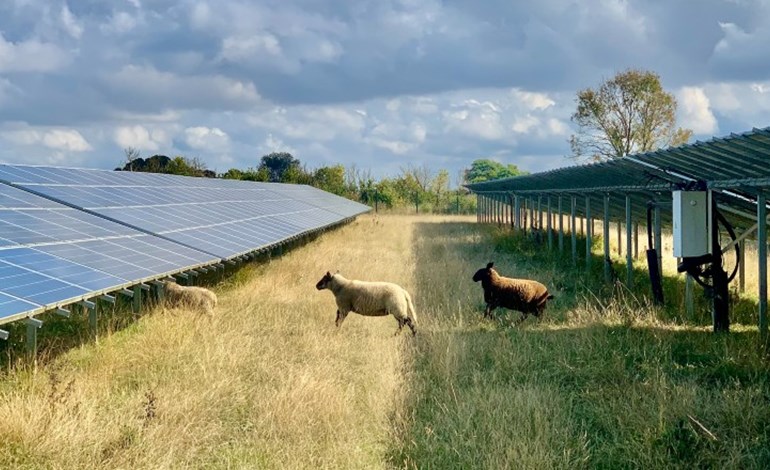
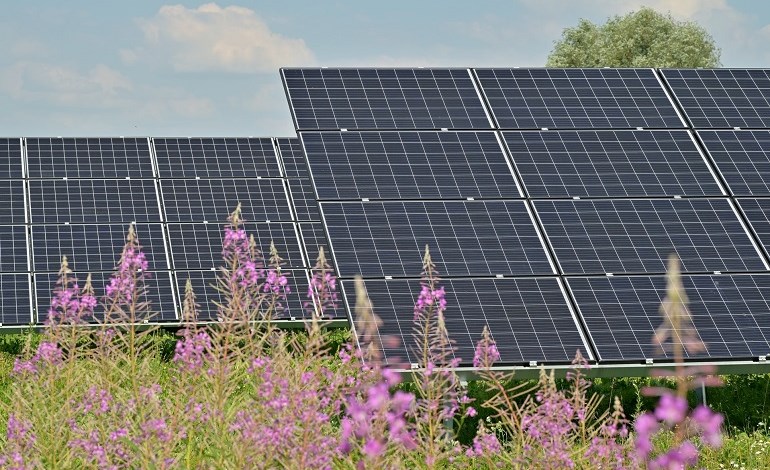
Solar Energy UK and environmental organisations have written to the Prime Minister Liz Truss asking her to support solar farms. In an open letter published today, Solar Energy UK and 18 other organisations highlight how solar farms are a crucial part of the solution to the energy and cost of living crisis. The letter responds to comments made over the summer by the Prime Minister that solar farms are “paraphernalia”, claiming that they a threat to UK food supply. However, according to the letter, British solar power and agriculture have gone hand in hand since the beginning of the UK solar industry. Farmers benefit from both rooftop installations and ground-mounted solar farm projects, says the letter, noting that the solar industry works closely with farmers and landowners on their solar projects. There are many benefits to solar farms, which help defend UK and global food supply by addressing climate change. According to Defra, the government’s department for food and rural affairs, this constitutes the greatest threat to domestic food security. Solar farms can provide an additional income stream for farmers, keeping their businesses profitable despite the cost-of-living crisis, while also delivering significant local environmental benefits. Well designed and well-maintained solar farms have been shown to support thriving wildlife habitats, providing a range of biodiversity gains for the duration of their lifespan, the letter continues. Sheep are commonly grazed around the panels, too, it adds. The solar industry has developed guidance to support the responsible development of solar projects. This includes Solar Energy UK’s Natural Capital Best Practice report, developed in collaboration with the National Farmers’ Union, ecological consultants and the higher education sector. It has been endorsed by Natural England, the government’s advisor for the natural environment in England. Solar Energy UK has published a land use briefing detailing the benefits of solar farms to the UK’s agricultural sector. Solar Energy UK chief executive Chris Hewett said: “The solar industry is a natural partner for countryside management, and I would be delighted to accompany the Prime Minister on a visit to one of the UK’s many excellent solar farms. “She can see for herself how their affordable, clean electricity will help to power the UK out of the cost-of-living crisis.” Credits: renews.biz